


What is the difference between celiac disease and gluten intolerance?
Celiac disease and gluten intolerance are often confused, but they are two different conditions. The difference between celiac disease and gluten intolerance is that celiac disease is an autoimmune disease that damages the small intestine, while gluten intolerance causes no detectable damage to the intestine.
People with celiac disease must strictly follow a gluten-free diet to avoid serious health problems, while people with gluten intolerance can sometimes tolerate small amounts of gluten without permanent damage to their bodies.
What is celiac disease?
Celiac disease is a chronic autoimmune disease in which the immune system perceives gluten as a threat. This leads to an inflammatory reaction in the small intestine, damaging the villi. This impairs nutrient absorption, which can lead to deficiencies and various health conditions.
Symptoms of celiac disease
Symptoms of celiac disease can vary from person to person, but the most common symptoms are:
- chronic diarrhoea or constipation
- bloating and flatulence
- unexplained weight loss or weight gain
- fatigue and lack of nutrients such as iron and vitamin B12
- skin problems such as eczema or dermatitis herpetiformis
- osteoporosis and increased risk of osteoporosis
Celiac disease can develop at any age, but is often not diagnosed until symptoms persist for a long time.
How is celiac disease diagnosed?
Celiac disease is diagnosed with a gluten allergy test that looks for specific antibodies to gluten, such as tTG-IgA. If this test is positive, an intestinal biopsy may be needed to confirm the diagnosis.
What is gluten intolerance?
Gluten intolerance, also known as non-coeliac gluten intolerance (NCGS), is a condition in which people are affected by gluten without any autoimmune reaction or demonstrable damage to the small intestine.
Symptoms of gluten intolerance
The symptoms in gluten intolerance resemble those of celiac disease, but there is no inflammatory reaction in the gut. Common complaints are:
- abdominal pain and bloating
- fatigue and concentration problems
- headaches and muscle aches
- fluctuating stool patterns, such as diarrhoea or constipation
Although the symptoms can be annoying, gluten intolerance has no lasting effects on intestinal health.
How is gluten intolerance diagnosed?
Gluten intolerance cannot be demonstrated with a blood test or biopsy. It is diagnosed by ruling out celiac disease and wheat allergy and then seeing if symptoms diminish when following a gluten-free diet.
The main differences at a glance
| Feature | Celiac disease | Gluten intolerance |
| Cause | Autoimmune disease | Undiagnosed susceptibility |
| Damage to the gut? | Yes, demonstrable intestinal damage | No, no demonstrable damage |
| Symptoms | Abdominal complaints, nutrient deficiencies, fatigue, skin problems | Abdominal pain, fatigue, headache |
| Diagnosis | Blood test + intestinal biopsy | Exclusion of celiac disease and improvement with gluten-free diet |
| Strictly gluten-free diet needed? | Yes, for life | Not necessary, depending on tolerance |
Conclusion
The main difference between celiac disease and gluten intolerance is that celiac disease is a serious autoimmune disease that can cause permanent damage to the small intestine, while gluten intolerance is an undiagnosed susceptibility without demonstrable intestinal damage.
People with celiac disease must strictly avoid gluten, while people with gluten intolerance can sometimes tolerate small amounts of gluten. A reliable way to diagnose celiac disease is through a blood test and an intestinal biopsy. If in doubt, it is always wise to consult a doctor.
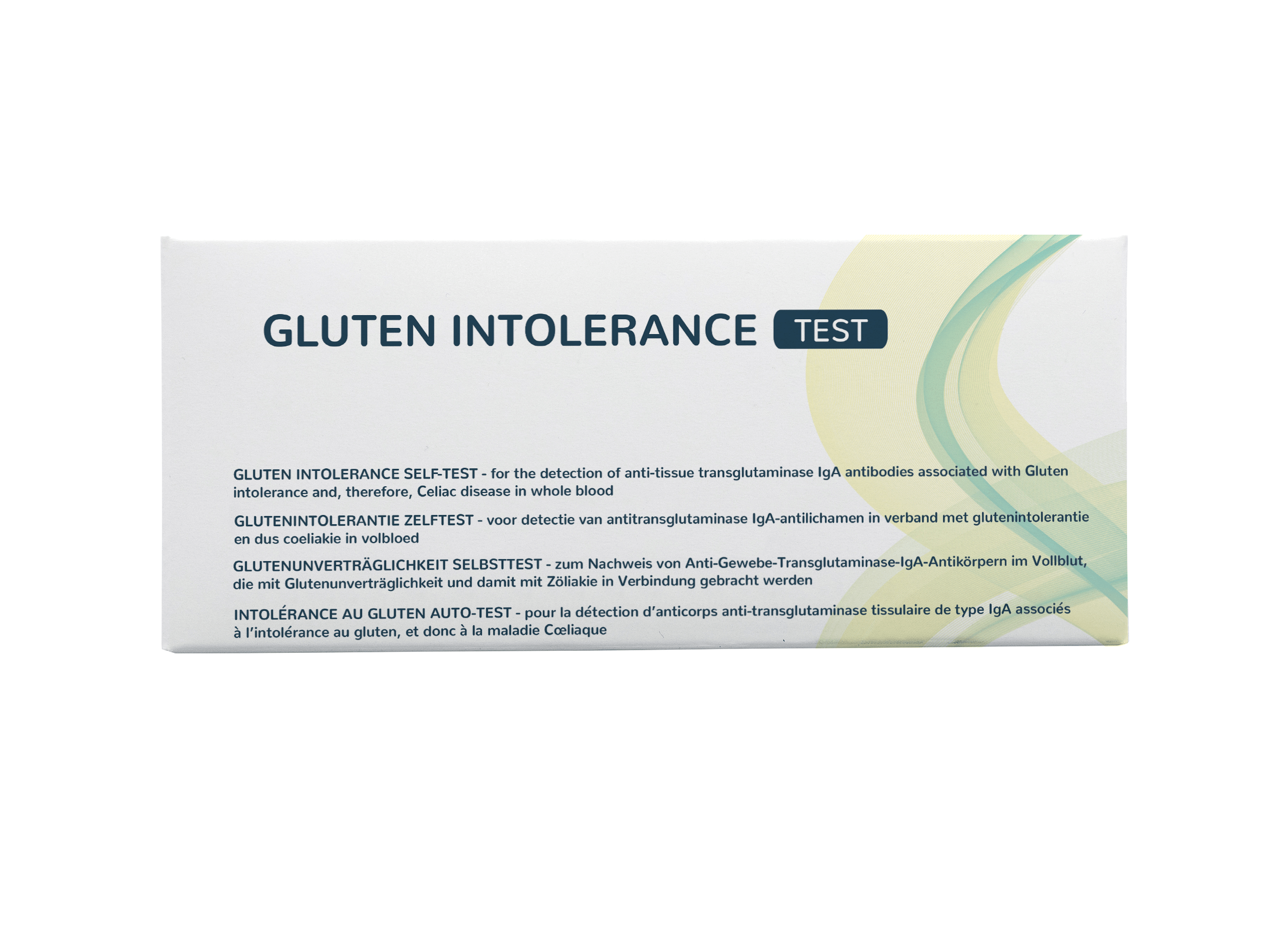
Gluten allergie test
€19.99


